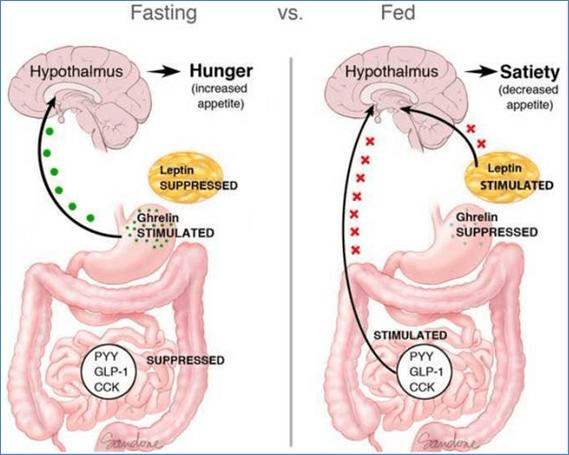

Appetite and blood sugar regulation are two closely connected processes that influence energy balance throughout the day. Hunger, fullness, food intake, digestion, and the body’s ability to manage glucose all involve a complex interaction between the digestive system, hormones, the brain, and other organs.
Although these processes are often discussed separately, they are closely linked. Changes in appetite can influence food intake and blood sugar levels, while changes in blood sugar and metabolic signaling can also affect hunger and feelings of fullness.
Understanding this relationship can provide useful insight into how the body manages energy and why modern research increasingly focuses on the biological systems involved in appetite regulation and glucose metabolism.
How the Body Uses Energy
The human body requires a continuous supply of energy.
Food provides carbohydrates, fats, proteins, vitamins, minerals, and other nutrients that support normal biological functions.
Carbohydrates are broken down into smaller molecules, including glucose. Glucose is an important source of energy for many cells.
After eating, glucose enters the bloodstream.
The body then uses several hormonal mechanisms to help manage the amount of glucose circulating in the blood.
Maintaining glucose within an appropriate range is important because both unusually high and unusually low levels can affect normal body function.
What Happens After a Meal?
Digestion begins when food enters the digestive system.
As nutrients are processed, signals are sent between the digestive tract, the pancreas, the brain, and other parts of the body.
The body responds to the presence of nutrients by releasing hormones involved in digestion and metabolism.
These signals help coordinate several processes, including:
- The release of insulin
- The movement of glucose into cells
- Feelings of fullness
- The speed at which the stomach empties
- Future hunger signals
The exact response depends on the composition and size of the meal as well as individual metabolic factors.
The Role of Insulin
Insulin is one of the most important hormones involved in glucose regulation.
It is produced by specialized cells in the pancreas.
After blood glucose levels rise, insulin helps signal certain cells to take up glucose from the bloodstream.
The body can then use glucose for immediate energy or store it for later use.
Insulin therefore plays a central role in maintaining normal glucose balance.
However, insulin is only one part of a much larger metabolic system.
Other hormones also influence how the body processes nutrients and responds to food.
Appetite Is Controlled by Multiple Signals
Hunger is not controlled by a single switch.
The sensation of appetite results from communication between multiple parts of the body.
The stomach and intestines send signals to the brain.
Fat tissue produces hormones associated with energy storage.
The brain integrates these signals with information about nutrient availability and previous food intake.
Environmental factors can also influence appetite.
The sight and smell of food, stress, emotions, habits, and social situations may all affect the desire to eat.
This complexity explains why appetite regulation is different for every individual.
Hunger and Fullness
Hunger encourages food intake, while feelings of fullness help signal that eating can stop.
Several hormones are involved in this process.
Some signals increase appetite, while others contribute to satiety.
The digestive system is particularly important.
As food enters the stomach and intestines, the body releases signals that communicate information about nutrient intake.
The brain then responds to these signals.
The timing and intensity of hunger and fullness can vary depending on the individual and the type of food consumed.
Meals containing different proportions of protein, fiber, fats, and carbohydrates may influence satiety differently.
The Digestive System and Metabolic Signaling
The digestive tract is not simply responsible for breaking down food.
It also plays an important role in hormonal communication.
Specialized cells in the digestive system respond to nutrients and release signaling molecules.
Some of these signals influence insulin release.
Others communicate with the brain and may affect appetite.
This connection between digestion and metabolism has become an important area of scientific research.
Researchers are particularly interested in how signals originating in the digestive system can influence both food intake and glucose regulation.
The Role of GLP-1
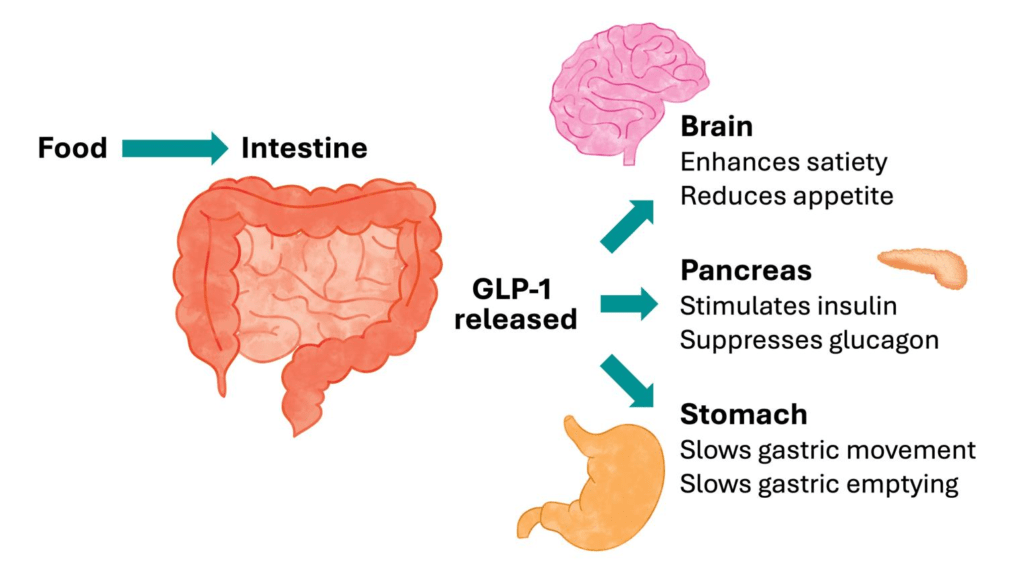
One hormone that has received significant scientific attention is glucagon-like peptide-1, commonly known as GLP-1.
GLP-1 is involved in several processes related to metabolism.
It is released in response to food intake and contributes to communication between the digestive system and other parts of the body.
GLP-1-related signaling can influence insulin release in response to glucose.
It can also affect the rate at which food moves through the stomach and may influence feelings of fullness.
These combined effects have made GLP-1 an important subject in research involving metabolism.
Understanding GLP-1 helps illustrate why appetite and blood sugar cannot be viewed as completely separate processes.
Why Appetite and Glucose Are Connected
Food intake influences the amount of glucose entering the bloodstream.
At the same time, the body’s metabolic response to food can influence future hunger and fullness signals.
A large meal may produce different hormonal responses than a smaller meal.
The nutrient composition of food can also affect digestion and metabolic signaling.
For example, meals containing fiber may be processed differently from highly refined carbohydrate-rich foods.
Protein can contribute to feelings of fullness for many people.
Dietary fat also plays an important role in energy intake and hormonal signaling.
There is no single ideal eating pattern for everyone, but understanding the relationship between nutrients, appetite, and metabolism can help explain why different foods produce different responses.
Research Into Appetite Regulation
Scientists continue to study the biological systems that influence food intake.
Modern research has identified multiple pathways involved in hunger and satiety.
Some of these pathways involve communication between the digestive system and the brain.
Others involve hormones produced by the pancreas or fat tissue.
The nervous system also plays a central role.
Because appetite is influenced by many factors, researchers are interested in treatments that interact with specific biological pathways.
The goal of these approaches is often to better understand how the body naturally regulates energy intake and metabolism.
Medical Approaches to Metabolic Regulation
In certain medical situations, healthcare professionals may use treatments that affect specific pathways involved in metabolism.
These approaches can influence hormonal signals associated with digestion, appetite, and glucose regulation.
The idea of supporting appetite and glucose control reflects the close biological relationship between these two processes.
However, medications that affect metabolic pathways are not interchangeable with general lifestyle advice.
They may have specific medical indications, potential side effects, contraindications, and monitoring requirements.
The appropriate approach depends on an individual’s medical circumstances.
Lifestyle and Appetite
Daily habits can influence appetite.
Sleep is one important factor.
Insufficient sleep may affect hormonal signals associated with hunger and food preferences.
Stress can also influence eating behavior.
Some people eat more during stressful periods, while others experience reduced appetite.
Regular meal patterns may help some individuals maintain a predictable routine.
However, the ideal eating schedule can vary.
Physical activity can also influence energy requirements and appetite.
The relationship is complex and differs between individuals.
Nutrition and Blood Sugar
The composition of meals can influence how the body responds after eating.
Foods containing dietary fiber are generally digested differently from highly processed carbohydrates.
Protein and fat can also influence digestion and satiety.
A balanced meal may combine several nutrient groups.
For example, a meal containing vegetables, a source of protein, and a source of healthy fat may produce a different digestive response than a meal consisting primarily of refined carbohydrates.
Individual responses can vary depending on activity level, metabolism, health status, and other factors.
People with medical conditions affecting glucose regulation should follow guidance from qualified healthcare professionals.
Physical Activity and Metabolism
Physical activity affects the way the body uses energy.
Muscles require energy during movement and can use glucose as one source.
Regular exercise may also influence metabolic health.
Different forms of activity provide different benefits.
Aerobic exercise supports cardiovascular fitness.
Resistance training helps maintain muscle strength.
Daily movement, including walking and other ordinary activities, also contributes to overall energy expenditure.
The best form of exercise is often one that can be maintained consistently.
Why Quick Solutions Are Often Misleading
Appetite and metabolism are complex.
It is therefore misleading to suggest that a single food, supplement, or habit can permanently transform the body’s metabolic processes.
Many products make simplified claims about “boosting metabolism” or eliminating hunger.
Biological systems do not work that simply.
Sustainable approaches generally involve long-term habits and, when necessary, appropriate medical care.
Understanding the underlying biology can help people recognize exaggerated claims and make more informed decisions.
When Professional Advice Is Important
Persistent changes in appetite should not always be treated as a simple lifestyle issue.
Significant or unexplained changes in hunger, body weight, energy levels, or eating patterns may require professional evaluation.
Healthcare professionals can consider medical history, medications, and other factors that may influence appetite or metabolism.
People with conditions affecting blood glucose should be particularly careful about making significant changes to diet or medication without professional guidance.
A Broader Perspective on Metabolic Health
Metabolic health involves more than a single number or measurement.
Appetite, digestion, physical activity, sleep, hormonal signaling, and nutrient intake all interact.
Blood sugar regulation is one important component of this larger system.
Maintaining a balanced approach to nutrition and lifestyle can support general health.
At the same time, individual needs can vary significantly.
Some people may require medical support for specific metabolic conditions.
Others may benefit primarily from changes in daily habits.
The appropriate approach depends on individual circumstances.
Conclusion
Appetite regulation and blood sugar control are closely connected through a complex network of hormones, organs, and nervous system signals.
Food intake affects glucose levels, while metabolic signals influence hunger and feelings of fullness.
Hormones such as insulin and GLP-1 demonstrate how the digestive system communicates with the rest of the body.
Modern research continues to explore these pathways and their potential role in medical approaches to metabolic regulation.
At the same time, nutrition, physical activity, sleep, and other lifestyle factors remain important components of overall health.
Understanding the connection between appetite and glucose can help people develop a more realistic view of metabolism.
Rather than searching for a single solution, it is more useful to recognize that energy balance involves many interacting systems.
A balanced lifestyle, informed decisions, and appropriate professional guidance when necessary provide a stronger foundation for supporting long-term metabolic health.