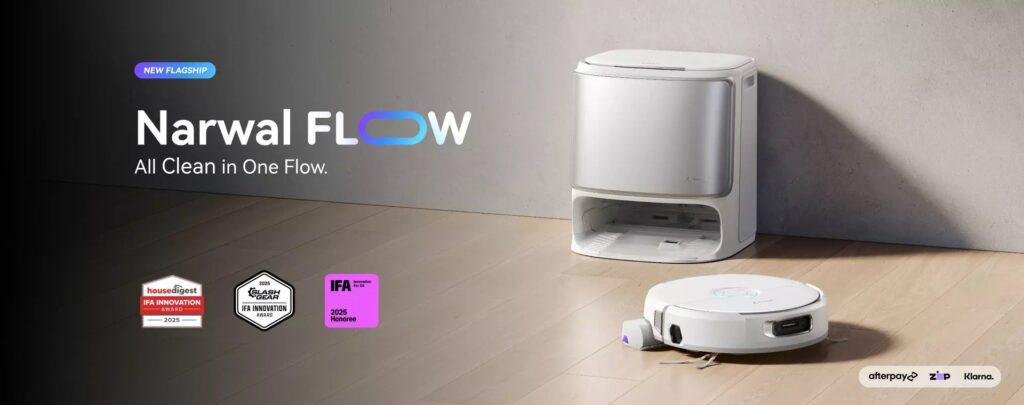

Investing in a high‑end robot vacuum isn’t just about paying more for a name — it’s about unlocking smarter, more efficient cleaning that works around your schedule and your home’s unique layout. While basic robot vacuums will handle dust and light debris, premium models bring a suite of technologies that deliver deeper cleaning, more autonomy, and less hands‑on maintenance. Understanding what features truly matter can help you make a comparison that goes beyond marketing buzzwords.
One of the most transformative advancements in high‑end robot vacuums is smart navigation and mapping. Unlike entry‑level units that bump around aimlessly, premium models use LiDAR, cameras, or a combination of sensors to build accurate floor plans of your home, allowing them to clean methodically and cover every zone efficiently. This smart mapping not only improves coverage but enables features like no‑go zones and room‑by‑room scheduling through the companion app, giving you granular control over when and where cleaning happens. Advanced obstacle avoidance further enhances autonomy by allowing the robot to detect and circumvent furniture, cables, and small objects that might otherwise stall progress.
Closely tied to navigation is AI‑powered obstacle detection. Premium robot vacuums don’t just “see” obstacles — they interpret them. Models equipped with AI and 3D sensing can distinguish between common household items like shoes or pet bowls and adjust their path accordingly. This reduces interruptions and improves cleaning consistency across complex layouts with multi‑room floor plans. These intelligent sensors make the robot more self‑reliant, minimizing the need for you to clear paths before scheduled cleaning runs.
Another major differentiator for high‑end models is suction power and cleaning performance. While suction figures alone don’t tell the full story, stronger airflow generally translates to better pickup on carpets and deeper extraction of dirt from fibres. Premium vacuums often exceed the suction capabilities of mid‑range models and incorporate brush designs optimized for hair management and edge cleaning. High suction paired with adaptive power adjustment lets the device increase strength on rugs and carpets while conserving battery on hard floors.
Many high‑quality robot vacuums also integrate mopping systems, blurring the line between vacuums and floor cleaners. Basic mopping on entry‑level robots often amounts to dragging a damp cloth behind the device, but high‑end hybrid units can feature electronic water flow control, pressurized mop pads, and even rotating or vibrating mop plates that provide a more thorough scrub. These enhancements help lift stains and grime from sealed hard floors, offering a level of cleanliness closer to manual mopping.
While the robot itself packs many of the “smart” features, the charging base on premium models becomes an automation hub that further reduces maintenance. A self‑emptying dustbin is often standard, allowing the robot to deposit collected debris into a larger container that only needs attention weeks or even months later. Some bases also wash and dry mop pads, manage clean and dirty water, and handle refill tasks, making a hands‑off cleaning cycle truly low‑effort. These dock enhancements are especially valuable for busy households or those with pets and allergies.
High‑end robots also typically offer enhanced filtration systems such as true HEPA filters or equivalent, which capture a higher percentage of fine particles and allergens. For families with sensitivities, this can make a noticeable difference in indoor air quality, especially in homes with pets or carpeting where allergens tend to accumulate. Better sealing around the brush and dust collection pathways also helps prevent dust from escaping back into the air during cleaning.
App integration and smart home compatibility play a major role in the premium experience as well. Top robots provide intuitive mobile apps that allow you to view real‑time maps, designate specific cleaning areas, set schedules, or pause cleaning remotely. Many support integration with popular smart assistants, offering voice control and the ability to tie cleaning routines into broader home automation workflows. These connected features make it easy to blend robot cleaning into your daily life without extra effort.
Finally, long‑term reliability and build quality are often better in high‑end machines. Stronger motors, more durable wheels, and higher‑grade sensors mean these robots tend to perform consistently over time, reducing the likelihood of early failures or frequent repairs. While the upfront cost is higher, the combined savings in time and manual cleaning effort justify the investment for many homeowners.
For those comparing flagship cleaners, it’s also worth examining how specific brands implement these premium features in real‑world use. Solutions that unite intelligent mapping, autonomous base station maintenance, strong suction, and adaptive mopping illustrate the direction the industry is heading. To explore a lineup that embodies these advanced capabilities — from intelligent navigation and self‑maintenance to hybrid vacuum‑and‑mop performance — check out Narwal. The innovations in this class of devices demonstrate how far smart home cleaning technology has evolved and what you should look for when comparing high‑end robot vacuums for your living space.