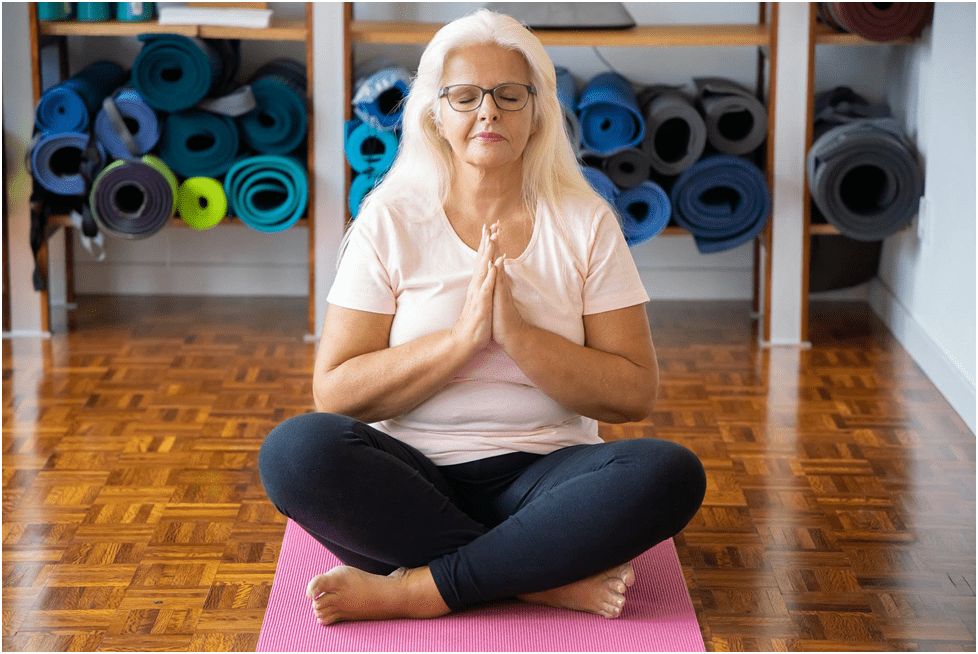

Turning 60 can feel like a line in the sand, but it does not need to be. Life does not slow down unless you let it. In fact, this stage can feel lighter in many ways. There is more time to focus on what matters, more space to build routines that suit you, and more chances to enjoy simple things without pressure. The key is knowing how to stay well while keeping a sense of purpose. Healthy ageing is not about strict rules or big changes. It is about steady habits that support energy, confidence, and connection.
This article will guide you on how to make those years feel full and rewarding.
Staying Social and Building Meaningful Connections
Spending time with others is not just pleasant; it supports mental health in clear ways. Regular conversations keep the mind active, while shared activities give structure to the week. Without that, days can start to blur together.
Staying social does not need to be complicated. It could be meeting friends for tea, joining a local group, or taking part in community events. Even small, regular interactions can lift mood and reduce feelings of isolation.
There are times when living alone makes this harder. Mobility issues or distance from family can limit contact. In such cases, a setting that brings people together can help. Residential care is one option, and it is not just about support with daily needs. It also offers a built-in social environment where interaction happens naturally.
Providers such as Loveday & Co. focus on tailored care that goes beyond basic support. Their services include organised activities, wellness programmes, and attentive staff who understand individual needs. Residents can take part in events, enjoy shared spaces, and still have privacy when they want it. This kind of setting helps maintain dignity while reducing loneliness, which has a direct impact on emotional wellbeing.
Keeping the Body Active with Simple Daily Movement
You do not need intense workouts to stay active after 60. What matters is regular movement. A daily walk, light stretching, or gentle exercise can keep joints flexible and support balance.
Movement also supports circulation and helps maintain muscle strength. That reduces the risk of falls and keeps everyday tasks manageable. Even simple actions, like gardening or tidying the house, count. The key is to avoid long periods of sitting.
It helps to build activity into the day rather than treat it as a task. A walk after breakfast or a short stretch in the evening can become part of the routine. This approach feels less demanding and is easier to stick with.
Nourishing the Body with Balanced Nutrition
Eating well becomes more important with age, but it does not need to be complicated. The focus should be on balance. Meals that include vegetables, protein, and whole grains support energy levels and help maintain strength.
Hydration is often missed. Drinking enough water helps digestion and keeps the body functioning properly. Many people drink less as they age, which can lead to fatigue or discomfort.
Portion sizes may change, but regular meals still matter. Skipping meals can lead to low energy and affect concentration. Smaller, consistent meals often work better than large ones.
Looking After Mental Wellbeing
Mental health is just as important as physical health. After 60, changes in routine or lifestyle can affect mood. Retirement, reduced social contact, or health concerns can all play a part.
Keeping the mind engaged helps maintain balance. Reading, puzzles, or learning something new can support focus and memory. These activities do not need to be demanding. The aim is to stay mentally active in a way that feels enjoyable.
Routine also plays a role. Having a structure to the day provides a sense of purpose. Even simple plans, like a morning walk or an afternoon activity, can shape the day and prevent it from feeling empty.
When low mood or anxiety becomes persistent, it is important to seek support. Speaking to a professional or even a trusted friend can help bring clarity.
Prioritising Preventive Healthcare
Health checks are easy to put off, especially when you feel fine. Still, regular appointments help catch small issues before they grow into bigger ones. Blood pressure checks, eye tests, and routine screenings all play a part in keeping things steady.
Managing existing conditions also needs attention. Taking medication on time, keeping track of symptoms, and following medical advice help avoid sudden setbacks. It is not about being overly cautious. It is about staying informed and in control.
Creating a Safe and Comfortable Living Environment
Home should feel easy to move around in. Small adjustments can make daily life smoother. Good lighting reduces the chance of trips, while secure handrails add support where needed. These are simple changes, but they help maintain confidence at home.
Comfort matters as well. A space that feels calm and organised supports both physical and mental wellbeing. Clutter can make movement harder and add unnecessary stress. Keeping things tidy and accessible makes daily routines easier to manage.
Continuing to Learn and Stay Curious
Learning does not stop at a certain age. In fact, it can become more enjoyable when there is no pressure attached. Picking up a new skill or exploring an interest keeps the mind active and engaged.
This could be anything from learning a language to trying a new craft. Even reading regularly can help maintain focus and improve memory. The aim is not to master something quickly. It is to stay curious and give the mind something to work on.
Finding Purpose and Enjoyment in Everyday Life
Purpose does not have to come from big achievements. It often comes from small, steady actions. Helping a neighbour, staying involved with family, or taking part in local activities can bring a strong sense of fulfilment.
Setting simple goals can also help. These do not need to be ambitious. They could be as straightforward as finishing a book, tending to a garden, or learning something new each week. Goals give direction and keep days from feeling empty.
Moreover, taking time to do things you like, whether it is listening to music, walking, or spending time with others, supports a positive outlook. These moments build a routine that feels satisfying rather than forced.
Getting older does not mean stepping back from life. It is a shift in how you approach it. There is more room to choose what matters and shape each day with intention. When you focus on steady habits, stay connected, and do what you enjoy doing, life keeps its rhythm. It may move at a different pace, but it can still feel full, grounded, and worth showing up for every single day.